What defines professional watch photography
Watch photography is widely considered the most technically demanding discipline in product photography. Unlike a flat pendant or a faceted diamond, a watch is a complex assembly of contrasting materials that require entirely different lighting treatments simultaneously. You are photographing highly reflective domed glass, brushed steel, polished precious metals, textured dials, and matte leather or rubber straps—all within a 40mm diameter.
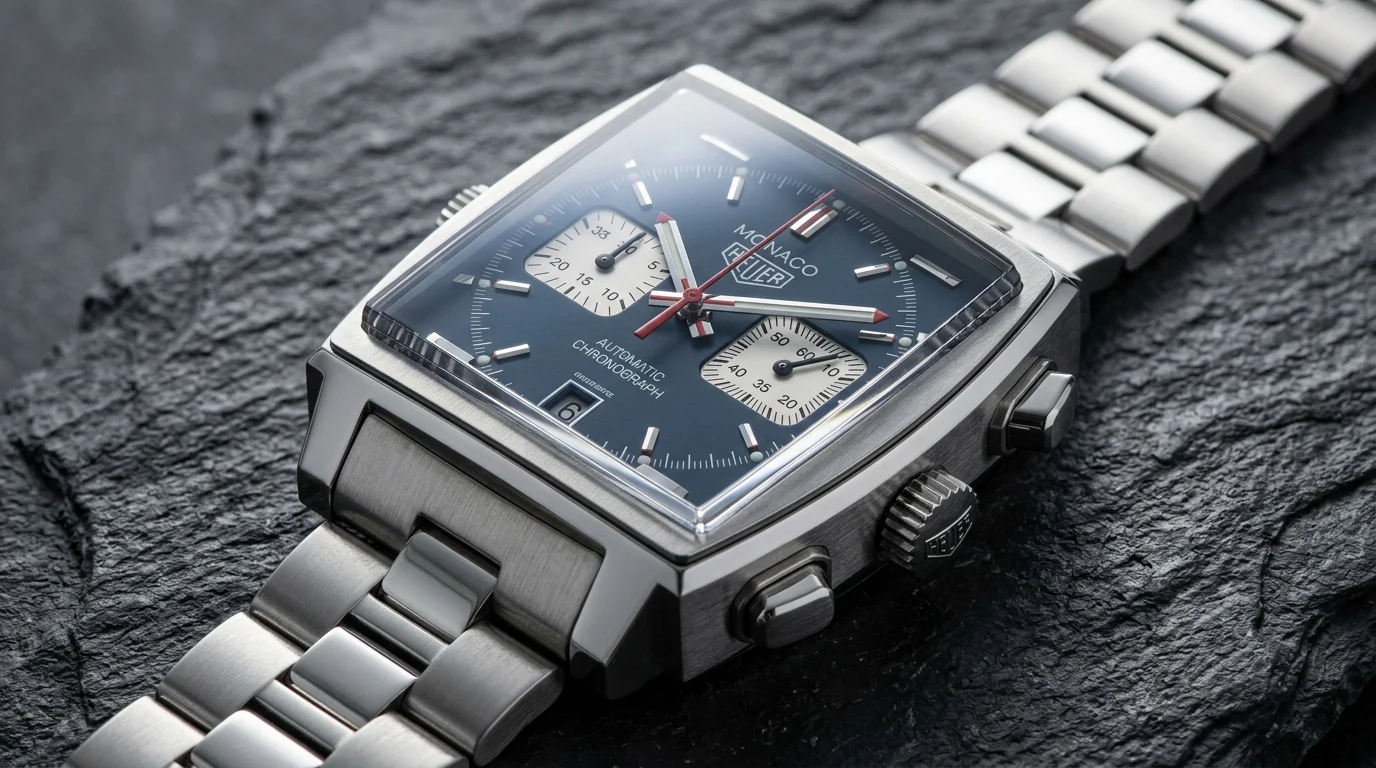
Professional watch photography is defined by absolute control over reflections. Amateur watch photos feature blown-out highlights on the crystal, flat lighting that makes steel look like plastic, and shallow depth of field that leaves half the dial blurry. Editorial-grade watch photography is characterized by:
- Crystal clarity: The glass covering the dial (the crystal) must be entirely invisible, free from glare, softbox reflections, or the reflection of the camera lens itself.
- Metal gradients: Polished surfaces (like a smooth bezel or center links) should display a crisp, high-contrast gradient from pure white to pure black. Brushed surfaces (like watch lugs) should catch softer light to reveal their grain.
- Dial depth: High-end dials feature intricate textures—guilloché patterns, sunburst finishes, or applied indices. Professional lighting highlights these micro-textures by using directional, raking light rather than flat, front-facing illumination.
- Infinite focus: Whether shot top-down or at a 45-degree angle, every element from the closest lug to the furthest index must be tack-sharp. This requires focus stacking, as a macro lens at f/11 still will not provide enough depth of field to cover a watch case at an angle.
- The 10:10 rule: The hands are almost universally set to 10:10 and 31 seconds. This frames the brand logo (usually below 12 o'clock), keeps the date window (usually at 3 o'clock) clear, and provides a balanced, visually pleasing symmetry.
When to use different watch photography styles
The style of watch photography you deploy depends entirely on the channel and the buyer's stage in the purchasing journey. A direct-to-consumer microbrand launching a new chronograph requires a different visual mix than a secondary market dealer listing a vintage Rolex on Chrono24.
E-commerce Packshots (The "Hero" Shot)
Used on product detail pages (PDPs), wholesale linesheets, and Amazon listings. These are strictly informational. The watch is shot straight-on or at a slight three-quarter angle on a pure white or pure black seamless background. The goal is maximum fidelity. Buyers use these images to inspect case shape, dial layout, and lug design. There is no styling, no props, and no environmental context. Conversion drops sharply if these images are soft, poorly lit, or fail to accurately represent the dial color under neutral daylight (5500K).
Editorial and Lifestyle
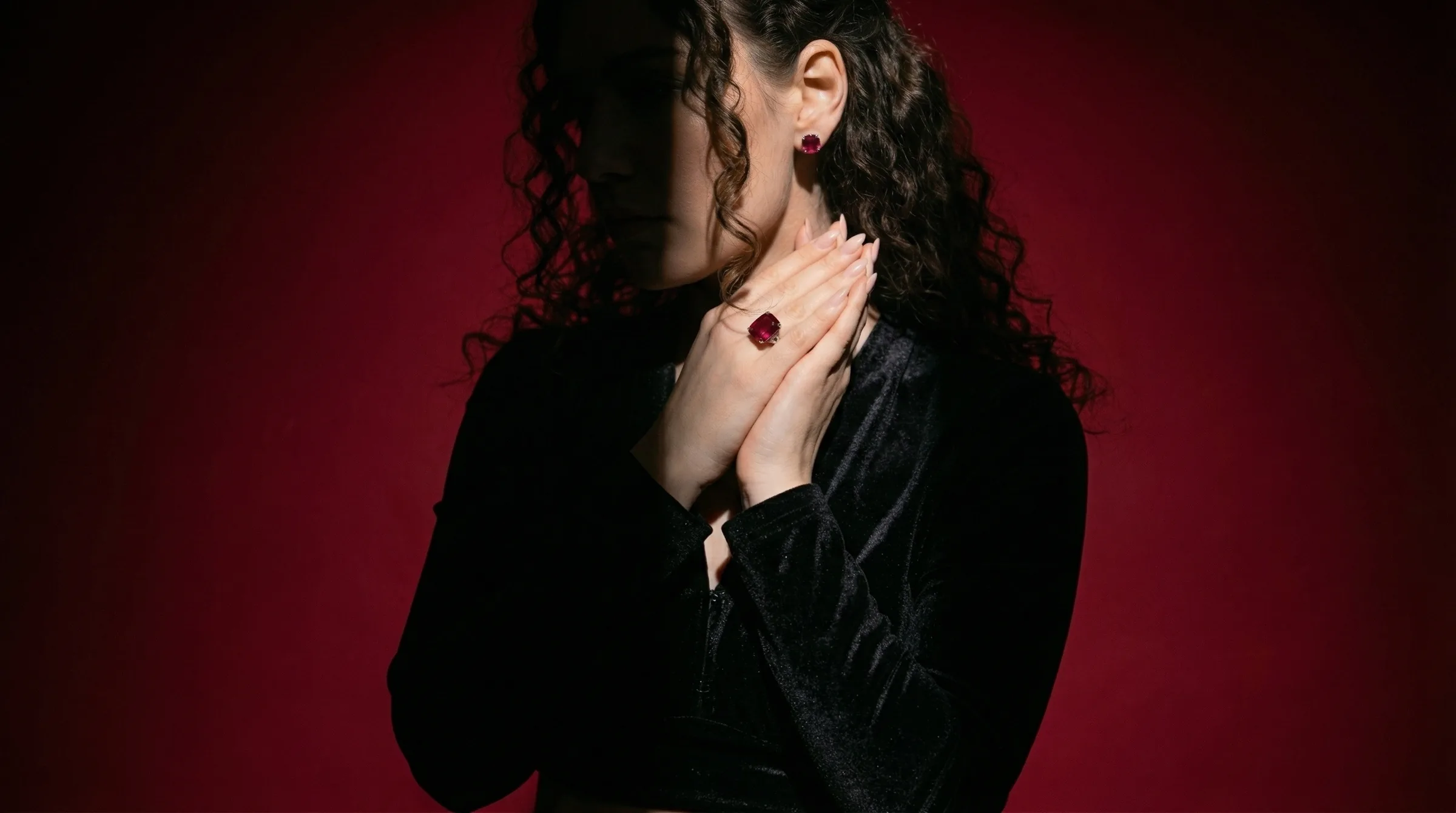
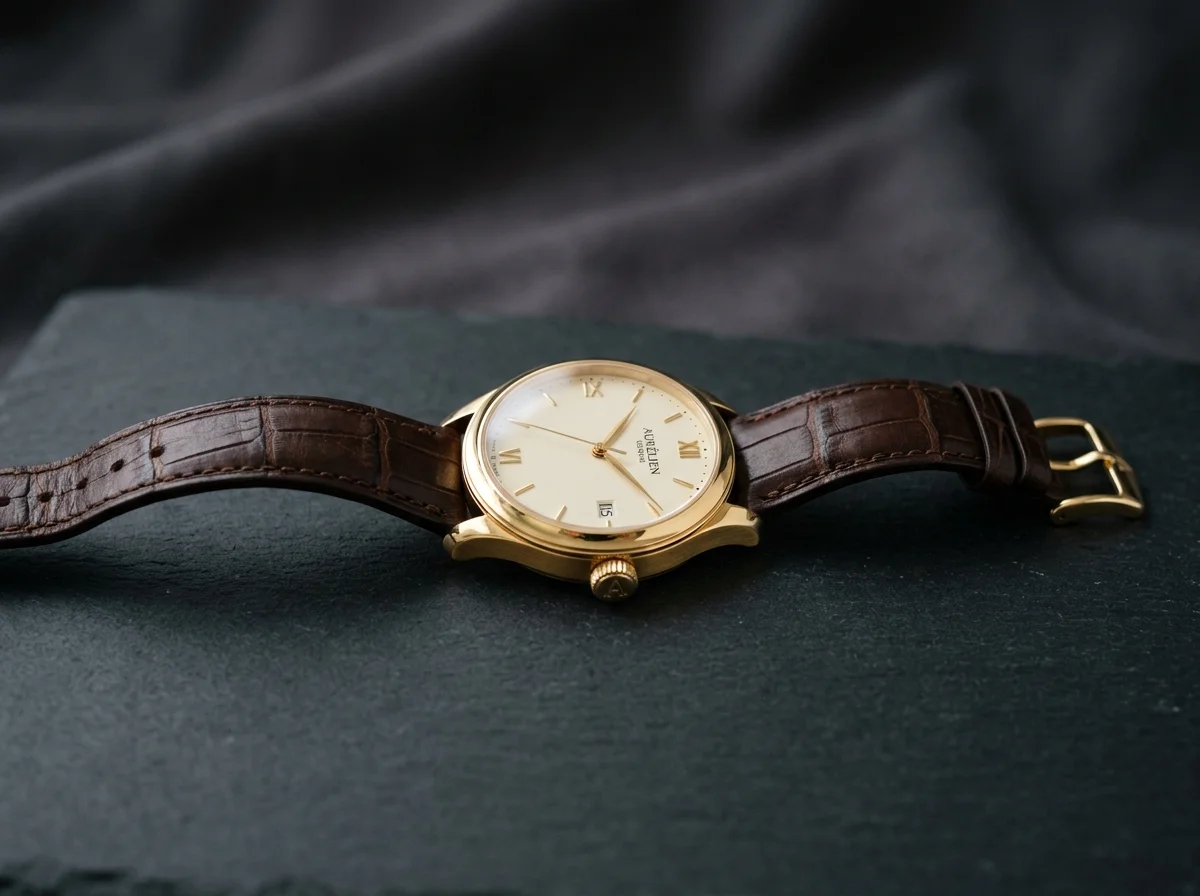
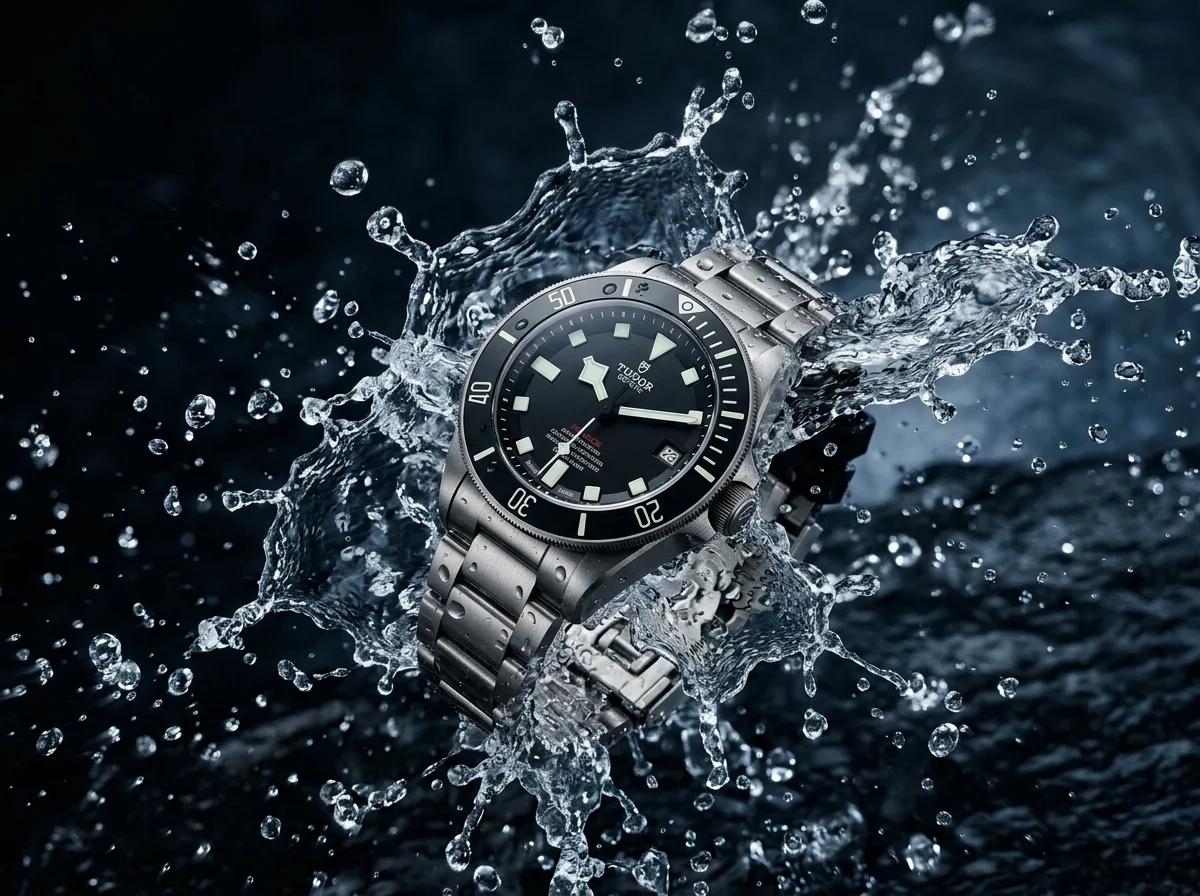
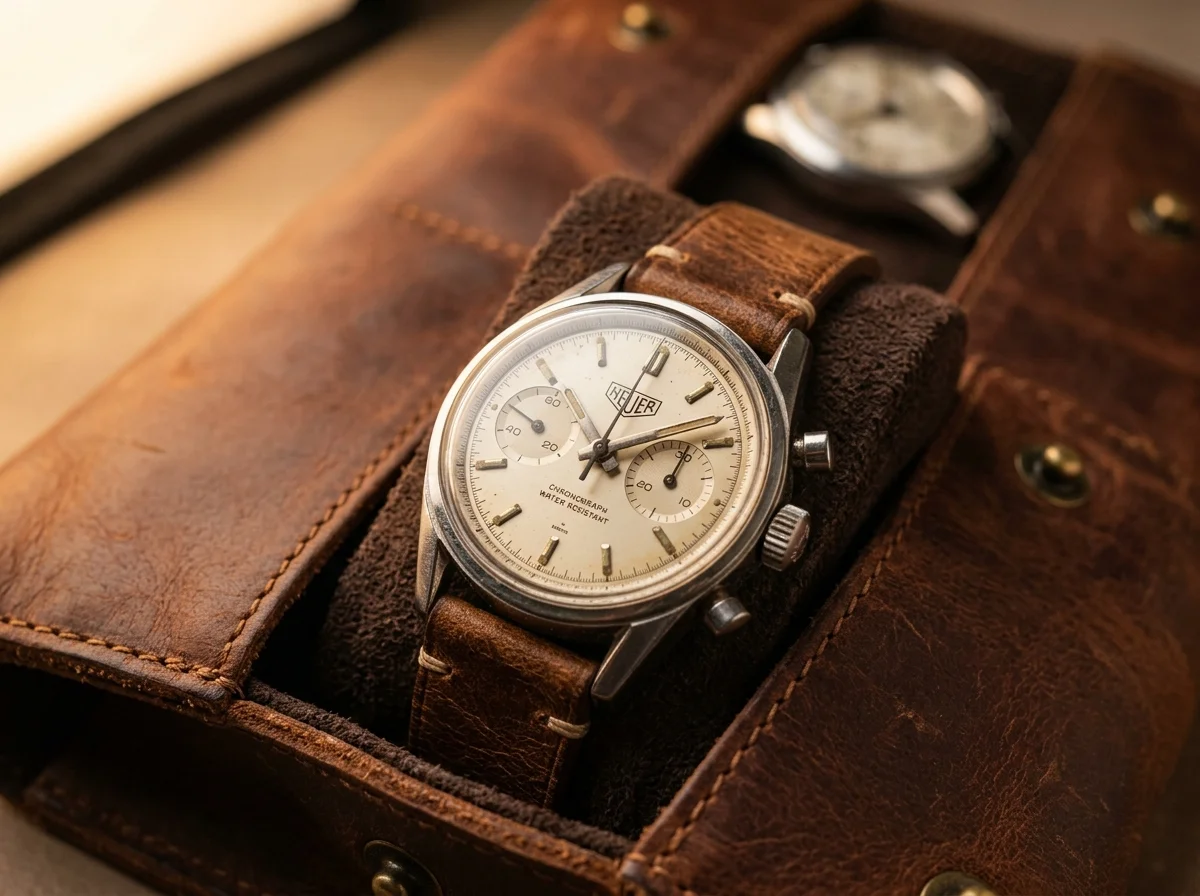
Used for Instagram, Facebook Ads, hero banners, and lookbooks. Editorial watch photography places the timepiece in a context that sells the brand's lifestyle. A dive watch might be photographed on wet slate with dramatic, high-contrast lighting. A dress watch might be shot on a textured leather pad with warm, soft-focus background elements. The lighting here is often more dramatic—allowing shadows to fall across the strap or case to create mood, rather than illuminating every millimeter evenly.
Macro Detail Shots
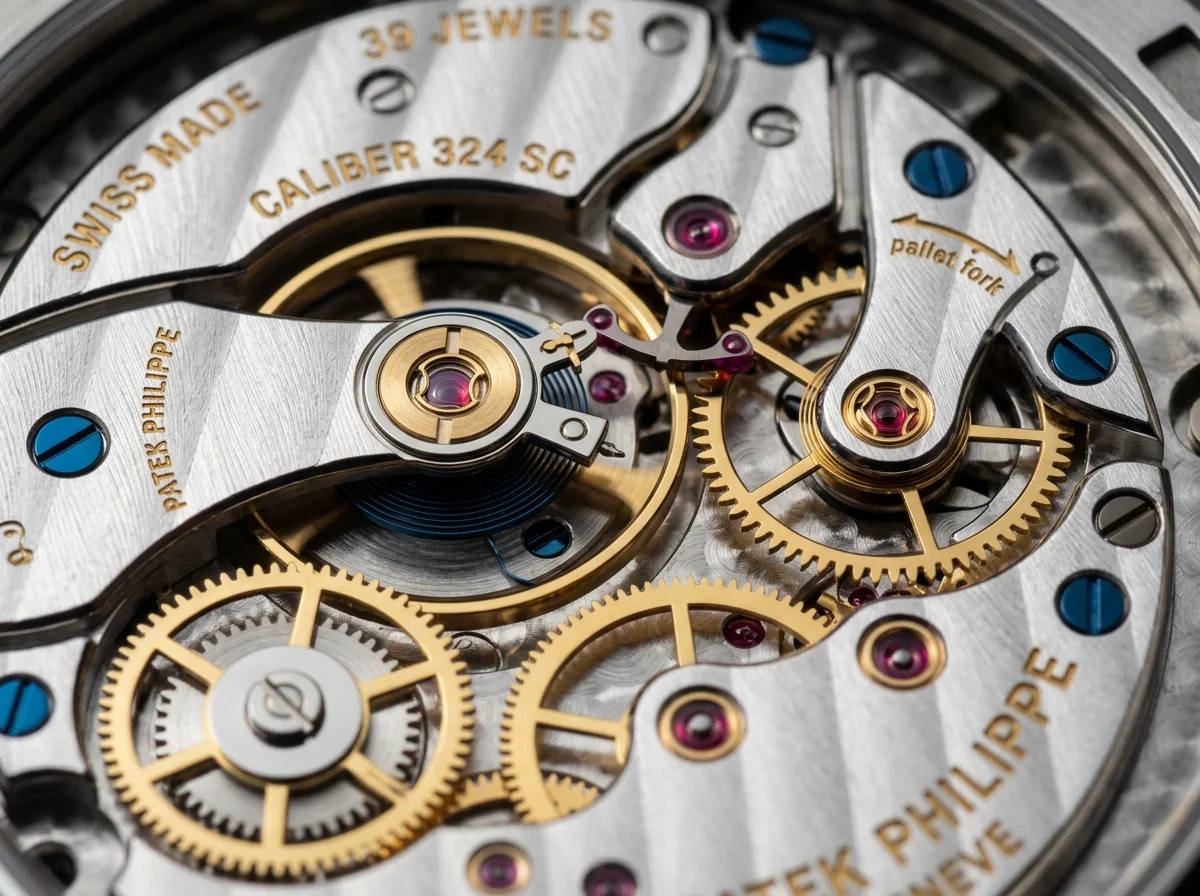
Essential for high-ticket items. When selling a watch over $2,000, buyers want to see the finishing. Macro shots focus on specific components: the beveling on the hands, the texture of the lume plots, the engraving on the crown, or the movement visible through a sapphire caseback. These shots build trust by proving the manufacturing quality.
How to shoot watch photography manually
Executing a professional watch photoshoot requires specialized gear and a methodical approach to lighting. You cannot "fix it in post" if the crystal is obscured by glare or the case is reflecting your studio ceiling.
Essential Equipment
- Camera and Lens: A full-frame camera paired with a dedicated macro lens (90mm, 100mm, or 105mm). A standard 50mm lens will not allow you to focus close enough to fill the frame with the watch face without cropping and losing resolution.
- Geared Tripod Head: Framing a watch requires millimeter-level precision. A standard ball head will drift slightly when you lock it down. A geared head allows you to micro-adjust the X, Y, and Z axes independently.
- Circular Polarizer (CPL): This is non-negotiable. A CPL filter cuts polarized light, allowing you to rotate the filter until the glare on the watch crystal magically vanishes, revealing the dial beneath.
The Lighting Setup
Do not use a light tent. Light tents create flat, milky, low-contrast images because the light comes from everywhere at once. Polished metal requires contrast to look like metal.
- The Key Light (Overhead or Rear-Angle): Position a strobe or high-output continuous LED behind and slightly above the watch, angled down. Modify this light with a strip box (a long, narrow softbox) and a diffusion panel (like Savage Translum). This creates a long, smooth, white highlight along the top edge of the bezel and strap.
- The Fill Lights (Sides): Place two black foam core boards on either side of the watch. Then, bounce light off white cards positioned just behind the black boards. This creates a sharp transition from white to black on the polished sides of the watch case. The reflection of the black foam core is what gives polished steel its dark, defined edges.
- Dial Lighting: To illuminate the dial without causing crystal glare, use a small, focused light (like an optical snoot or a small LED panel) positioned at a low angle, skimming across the dial. Because the angle of incidence equals the angle of reflection, keeping this light low ensures the reflection bounces away from the camera lens.
Camera Settings and Focus Stacking
Shoot at ISO 100 for maximum dynamic range and zero noise. Set your aperture to the lens's sweet spot, usually between f/8 and f/11.
If you are shooting the watch at an angle, f/11 will not keep the front lug and the back lug in focus simultaneously. You must focus stack. Mount the camera on a macro focusing rail or use your camera's built-in focus bracketing feature. Take 15 to 30 photos, shifting the focus point by a millimeter each time, from the front edge of the watch to the back. These images are then merged in Photoshop (File > Automate > Photomerge) to create a single image with infinite depth of field.
How to generate watch photography styles with Hylo
Shooting watches manually is incredibly time-consuming. A professional studio might spend three hours lighting and focus-stacking a single watch, which is why day rates for this level of work start at $2,000 and easily exceed $4,000.
Hylo's AI-powered studio allows you to bypass the complex strip-box lighting and focus-stacking workflows, generating editorial watch photography in minutes.
- Start with a clean flatlay: You do not need a macro lens or a CPL filter. Photograph your watch straight-on using a smartphone or standard camera. Ensure the dial is evenly lit and in focus. Do not worry about background or styling.
- Upload to the Canvas Editor: Import your base image into Hylo. The AI Retouch tool will automatically isolate the watch, cleanly cutting out the complex curves of the crown, pushers, and lugs.
- Clean up the dial: Use AI Retouch to instantly remove any dust particles, fingerprints, or minor scratches from the bezel and crystal. In traditional workflows, cleaning up macro dust in Photoshop can take 20 minutes per image.
- Apply your Brand Kit: If your brand aesthetic relies on dark, moody slate backgrounds for dive watches, or soft, warm marble for dress watches, select your pre-configured Brand Kit in Hylo.
- Run the AI Photoshoot: Prompt Hylo for your exact scene. For example: "Macro studio shot of a steel chronograph watch resting on a block of dark brushed titanium, dramatic raking side light, soft ambient fill, photorealistic, 8k resolution." Hylo's AI understands the material properties of polished steel, sapphire crystal, and matte dials, generating physically accurate reflections and shadows that match the prompt's lighting environment.
While tools like Canva and Photoroom offer basic background removal, they struggle with the transparent nature of watch crystals and the complex internal reflections of a dial. Hylo is purpose-built for jewelry and watches, ensuring the generated lighting interacts realistically with metallic and glass surfaces.
Examples across watch and jewelry categories
The lighting principles that make a watch case look premium are identical to the principles used across all high-end jewelry photography. Managing reflections on a curved surface is a universal challenge in this industry.
Hylo's public inspiration gallery currently curates 400 real, pass-graded jewelry looks, serving as first-party visual evidence of these lighting techniques applied across categories:
- Bracelets (17 looks) and Bangles (17 looks): A polished gold bangle reflects its environment exactly like a polished steel watch bezel. The gallery demonstrates how using dark negative fill creates the necessary high-contrast edges to define the curve of the bangle, preventing it from looking flat. You can apply these exact bangle lighting setups in Hylo to watch straps and cases.
- Rings (131 looks): Domed rings and signet rings present the same reflection challenges as a domed sapphire crystal. The gallery showcases how diffused, overhead gradient lighting creates a luxurious, sweeping highlight across the metal without blowing out the details.
- Necklaces (116 looks) and Pendants (42 looks): When photographing a watch dial, you are essentially photographing a flat, textured pendant housed under glass. The gallery's pendant looks utilize raking side-light to emphasize the depth of pavé settings or engraved metal—the exact same technique used to highlight a textured guilloché watch dial.
- Earring-Studs (28 looks): Macro focus is critical here. Just as you must focus stack to capture the fine details of a watch crown or applied index, the gallery's stud earring looks demonstrate the necessity of infinite depth of field to capture every prong and facet sharply.
By referencing the Hylo inspiration gallery, you can select a lighting style that works for a high-polish ring and confidently apply that same AI Photoshoot configuration to a watch, knowing the engine will render the metallic gradients flawlessly.
Common mistakes in watch photography
Even with top-tier equipment, small oversights ruin watch photos. Avoid these common pitfalls:
- Ignoring the crystal glare: The most common mistake. If a white square from your softbox is reflecting directly over the brand logo on the dial, the image is unusable. Always use a CPL filter, and adjust your light angles so the reflection bounces away from the lens.
- Seeing the camera reflection: Because watches are essentially convex mirrors, it is very easy to accidentally photograph your camera lens or your own face in the bezel. Use a piece of black foam core with a small hole cut out for your lens to shoot through. This blocks the reflection of the room and the camera body.
- Incorrect hand placement: Setting the hands to random times looks messy. Always set the time to 10:10 (or 10:08) and the seconds hand to 31. This frames the top half of the dial symmetrically and ensures the hands aren't covering subdials or date windows.
- Failing to clean the watch: Under a 100mm macro lens, a single speck of dust looks like a boulder, and a fingerprint looks like a smear of grease. Wear microfiber gloves when handling the watch. Wipe it down thoroughly with a high-quality microfiber cloth, use Rodico putty to lift oils from intricate bezel grooves, and hit it with a rocket blower immediately before pressing the shutter.
- Mixed lighting temperatures: Do not mix the warm incandescent light from a desk lamp with the cool 5500K light from a strobe. Mixed color temperatures will make the steel look yellow on one side and blue on the other. Ensure all light sources in the room match, or block out all ambient window light before shooting.