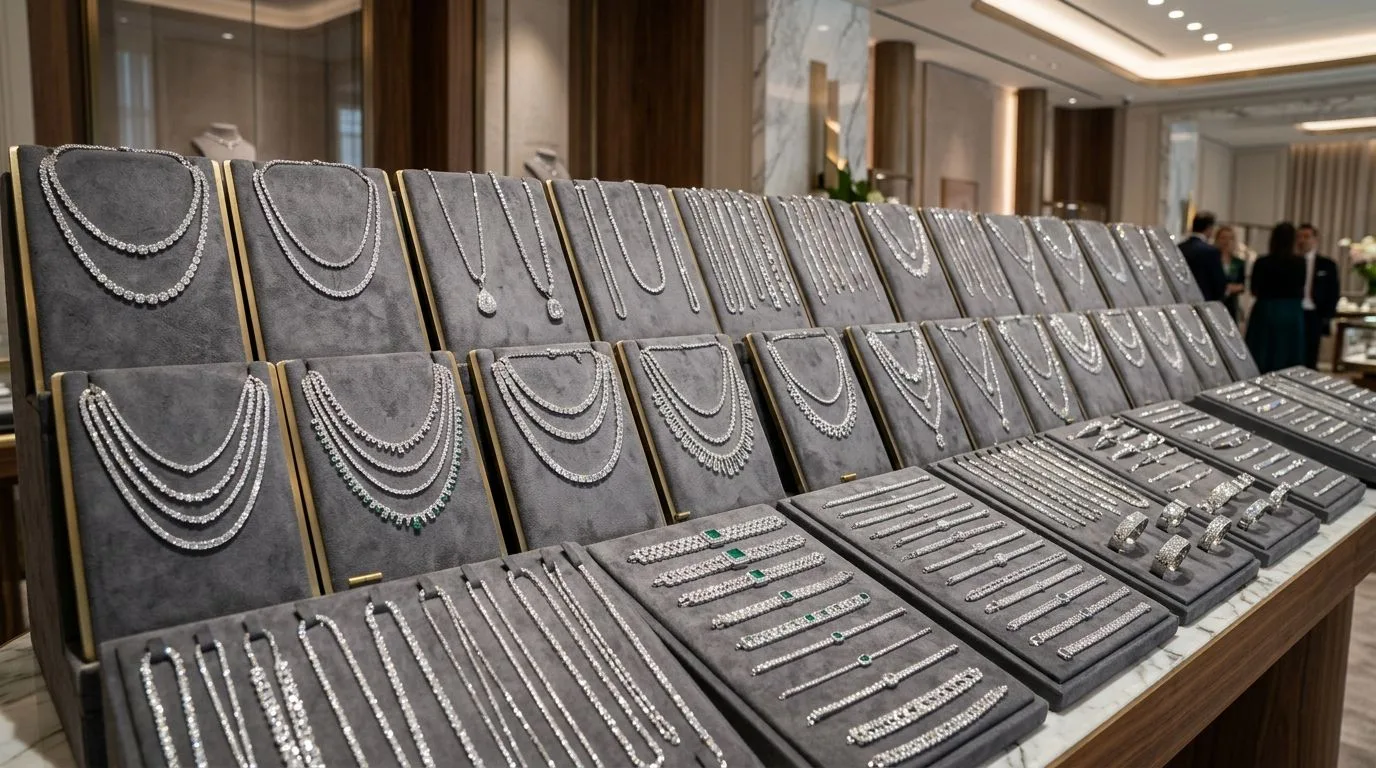
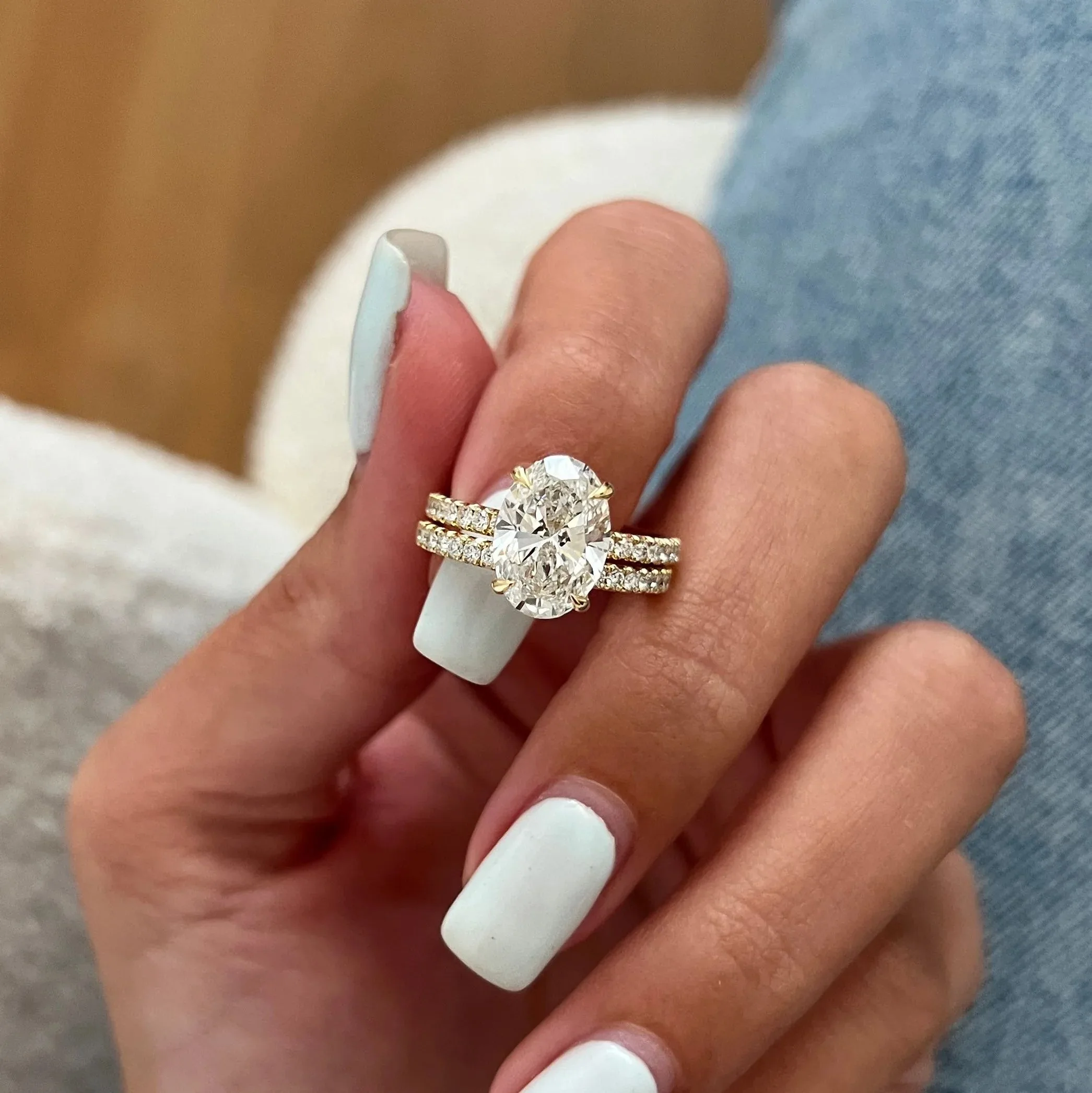

A wholesaler's relationship with product photography is fundamentally about coverage. Where a consumer brand might obsess over a handful of campaign images, a wholesaler needs every single SKU in a catalog that can run to thousands of pieces to have a usable, consistent image so retail buyers can browse and order the full range. The challenge is not making one image beautiful; it is making thousands of images adequate and uniform, fast. For a wholesaler, an image that does not exist or does not match the piece is a direct loss of orders, so the photography problem is really a sales problem wearing a different hat, and solving it at scale is one of the most valuable things a wholesaler can do.
Coverage and consistency over art direction
For wholesale, the two things that matter are coverage and consistency. Coverage means no SKU is missing an image, because a piece a buyer cannot see is a piece they will not order. Consistency means the whole catalog shares one visual language, so a retail buyer can scan the range without being distracted by images that look like they came from different sources. Individually art-directed hero shots are largely beside the point here; what sells a wholesale range is complete, clean, uniform presentation.
Why generation suits the wholesale model
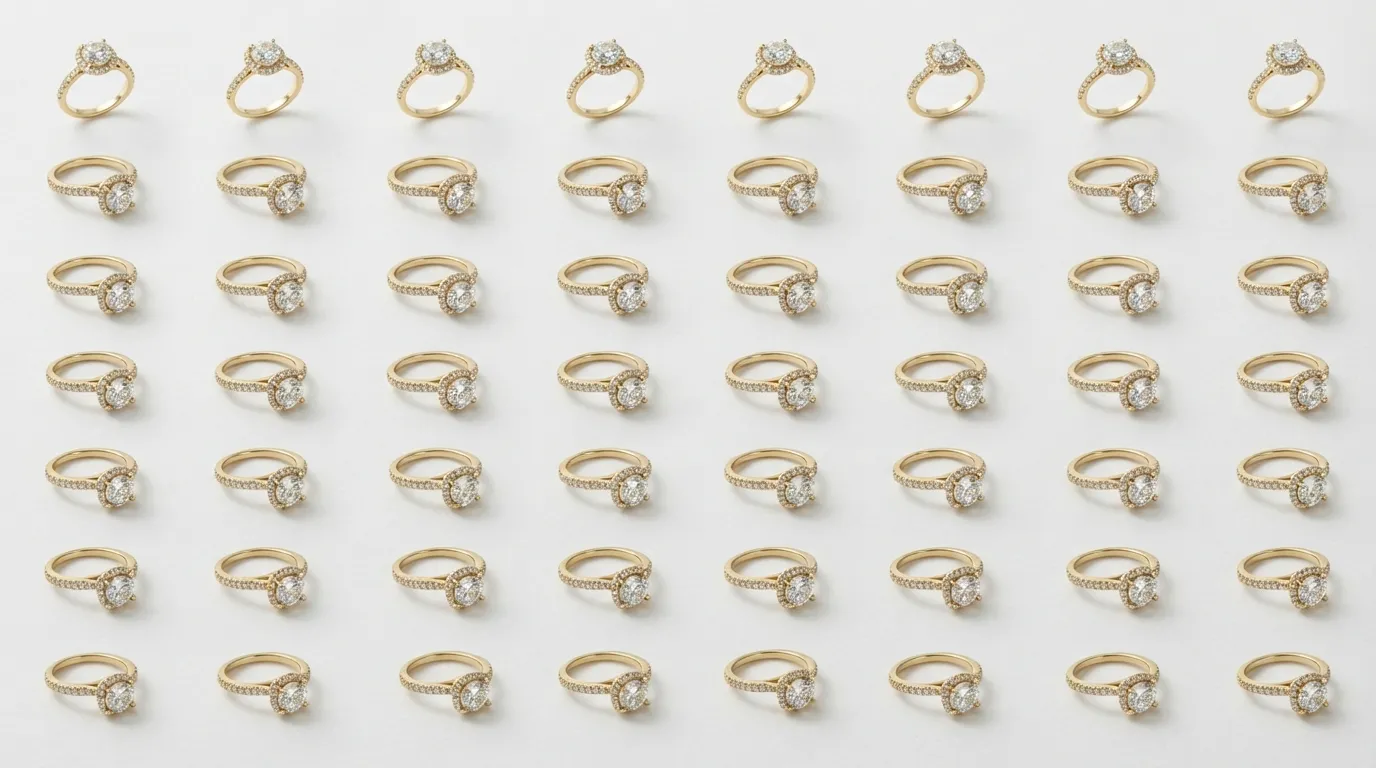
Batch image generation is built for this shape of problem. From a reference photo of each real piece, it produces presentation images to a single template, so a large catalog becomes uniform by construction. This scales in a way per-piece studio photography cannot: shooting thousands of SKUs individually, then trying to keep lighting and framing consistent across sessions done over weeks, is exactly where traditional photography breaks down for wholesalers. Generating to a fixed specification sidesteps that.
The accuracy discipline still applies, and arguably matters more in wholesale than anywhere else. Each SKU needs its own reference photo, and the generated image must stay faithful to the real piece, because retail buyers order against these images and pass them down to their own customers. A mismatch between image and product at the wholesale level propagates into disputes all the way down the chain. Generation here is a way to present real inventory consistently, not to embellish it.
The hidden cost of missing and mismatched images
For a wholesaler, two specific failures quietly cost orders. The first is missing images: in a catalog of thousands of SKUs, it is common for a meaningful fraction to have no usable photo at all, and every one of those is effectively invisible to retail buyers, who will not order a piece they cannot see. The second is mismatched images, where a piece is represented by a photo of a similar-but-different item, a yellow gold version standing in for the rose gold variant, or a stock image that does not match the actual stone count. Both failures suppress orders, and the second actively creates disputes when the retailer receives something other than what the image showed.
Batch generation addresses both at once. Coverage improves because producing an image for an additional SKU is fast and cheap, so the long tail of unphotographed pieces can finally be filled in. Accuracy improves because each image is generated from a reference photo of that exact piece, so the rose gold variant is shown as rose gold, the sterling silver version as sterling silver, and the stone count matches the real item. For a wholesaler, closing these two gaps across a large catalog can unlock orders that were previously lost simply because the inventory was not presented completely or correctly.
Organising a large catalog for generation
Generating images for thousands of SKUs is a logistics exercise as much as a creative one, and a little organisation makes it far smoother. Grouping pieces by type, all the rings together, all the necklaces, all the earrings, lets you apply framing and scale conventions consistently within each group. Grouping by metal, yellow gold, white gold, rose gold, platinum, sterling silver, helps you confirm the colour rendering is right for each material rather than checking piece by piece. Naming reference files clearly against SKU codes keeps the generated outputs traceable back to inventory, which matters when buyers query a specific item.
This structure also makes the spot-checking step manageable. Rather than reviewing thousands of images at random, you can sample within each type-and-metal group, confirming that the rings look consistent, the rose gold reads correctly, the necklaces are framed uniformly, and so on. A catalog organised this way turns what could be an overwhelming review burden into a systematic pass, which is what makes large-scale generation reliable rather than just fast.
Serving diverse retail buyers from one catalog
A wholesaler's retail buyers are not all the same, and a well-built image set can serve their differing needs from a single production. Some buyers sell on marketplaces and need white-background packshots that meet listing rules; others run their own branded stores and want cleaner, more flexible imagery; some want on-model or scale references to help their own customers judge necklaces and earrings. Because all of these can be generated from the same reference photos, a wholesaler can offer a richer, more useful image package than a competitor who supplies only a single basic shot, without multiplying the production effort.
Speed of catalog turnover as a competitive edge
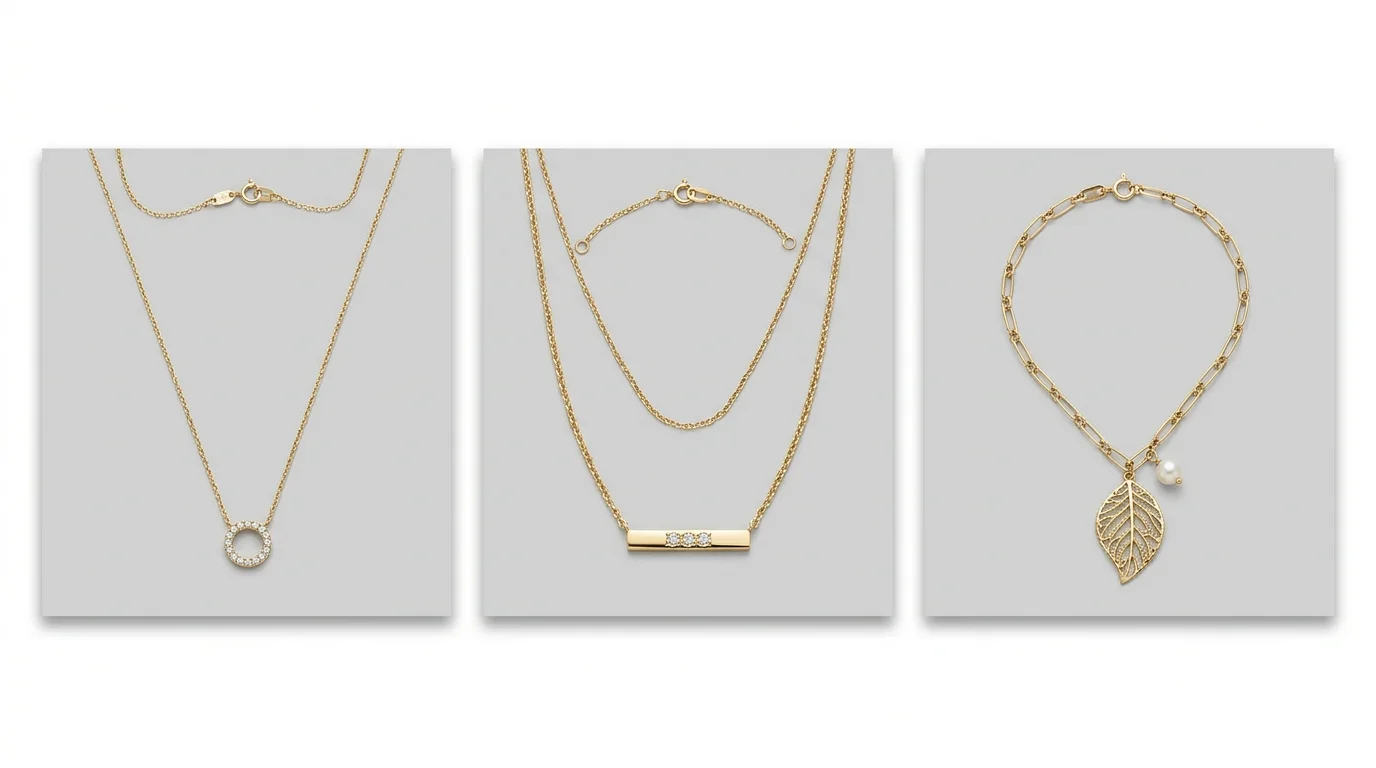
Wholesale is a fast-moving business, and the wholesalers who win buyer attention are often those who get new inventory in front of buyers first. When a new range of rose gold pieces or a fresh sterling silver line arrives, the wholesaler who can present it with complete, consistent imagery within days has a clear advantage over one whose new stock sits unphotographed for weeks while a shoot is arranged. Generation collapses that lag: as soon as reference photos of the new pieces exist, the full catalog imagery can follow almost immediately, so new inventory becomes sellable the moment it lands rather than after a photography backlog clears.
This speed compounds across a busy buying calendar. Seasonal ranges, trend-driven pieces, and one-off parcels all benefit from being shown quickly while demand is fresh, and a wholesaler whose imagery never bottlenecks can keep its presented catalog perfectly aligned with what it actually holds. Over time, that reliability, the sense that this supplier always has current, complete, accurate imagery for everything in stock, becomes a reason buyers return, because it makes the wholesaler easier and faster to order from than competitors whose catalogs are perpetually behind.

The trust dimension of wholesale imagery
Wholesale relationships run on trust built over repeated orders, and imagery is a quiet but constant contributor to that trust. A retail buyer who orders from a wholesaler's image and consistently receives exactly what was shown, the right stone count, the true rose gold tone, the correct proportion, learns to order confidently and in larger quantities, because the imagery has proven reliable. A buyer burned by a mismatch between image and product becomes cautious, orders less, and checks everything, which slows the whole relationship. Accurate, faithful imagery across the catalog is therefore not just a presentation choice but a foundation of the commercial relationship, and the discipline of generating from real reference photos and spot-checking against the physical pieces is what protects it at scale.
Imagery as a reason to buy from you
The strategic opportunity for wholesalers is to treat imagery as a value-add rather than a cost. When you supply retail-ready, consistent images alongside the catalog, your buyers can list and start selling immediately instead of reshooting everything themselves. That makes ordering from you materially easier than ordering from a competitor who ships pieces with no usable images. In a wholesale market where price and product are often broadly comparable between suppliers, this kind of practical convenience is frequently what tips a buyer toward one wholesaler over another, and it costs far less to provide than a price concession would. It also tends to increase order size over time, because a buyer who can list a wholesaler's pieces quickly and confidently is more willing to take on a larger or broader selection, knowing the imagery will not become the bottleneck that leaves stock sitting unlisted. Hylo's batch processing and AI Photoshoot are designed to generate consistent catalog imagery at this scale from reference photos, and AI Retouch can bring older or inconsistent reference shots up to a uniform standard, so a wholesaler can offer complete, professional imagery as part of the proposition.