Why jewelry brands are walking away from traditional studios
The math stopped working in 2024. A mid-tier jewelry shoot in New York or London runs $400-$800 per day for the photographer, another $200-$400 for the studio, $150-$300 for a stylist, and weeks of back-and-forth on retouching. For a brand launching even 20 SKUs a season, you're looking at $8,000-$15,000 and a four-week turnaround before the first listing goes live.
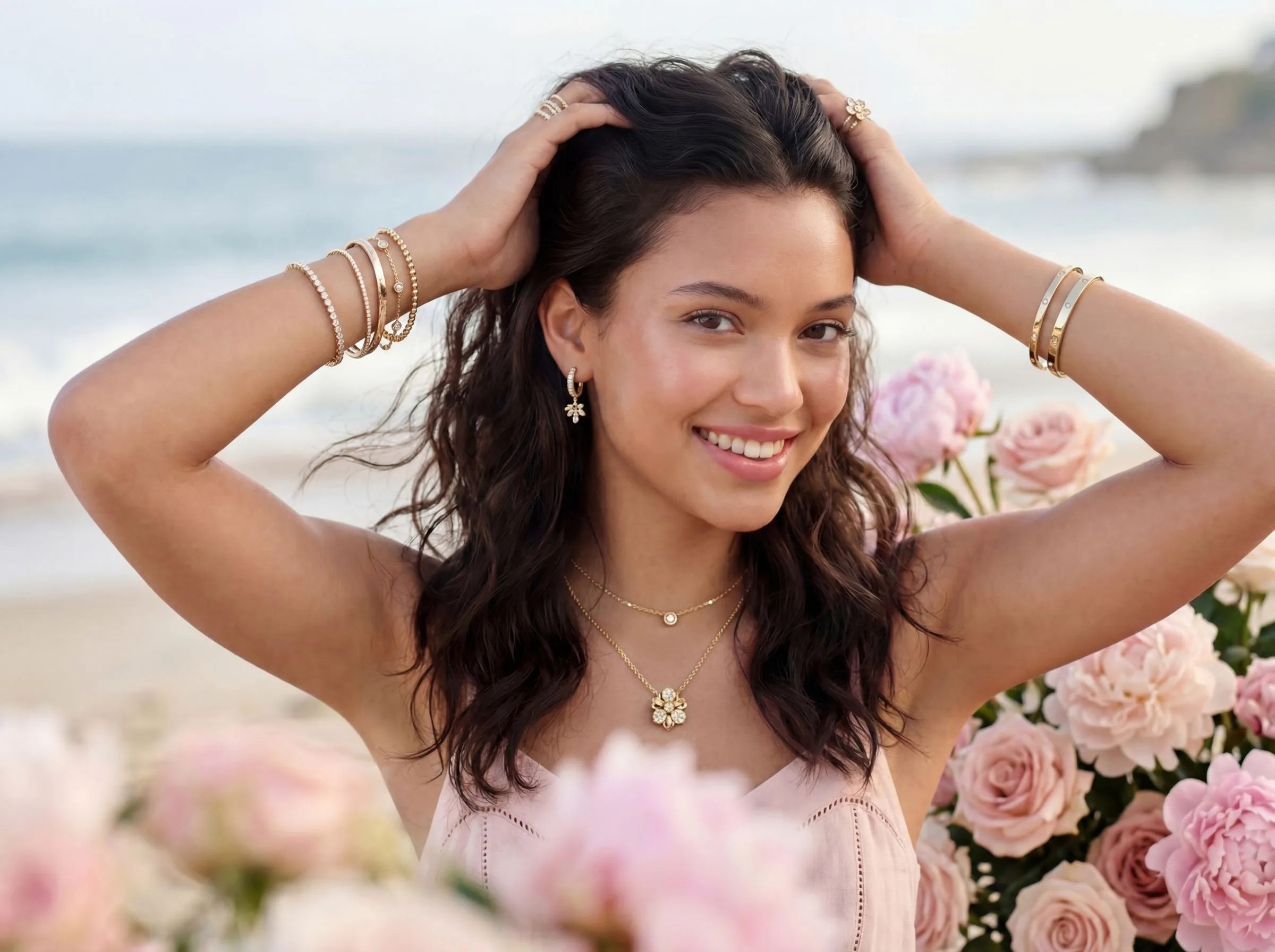
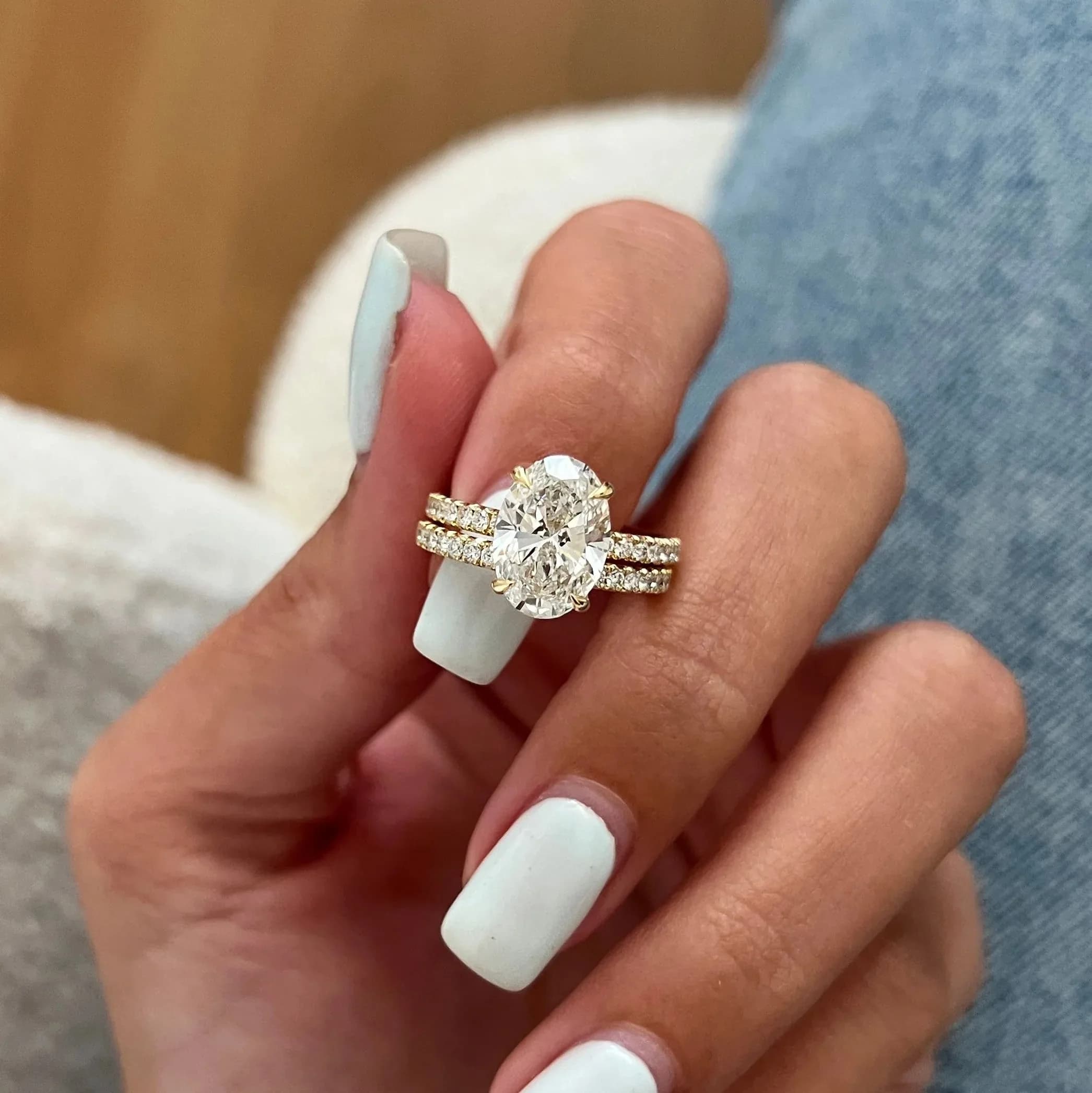
AI jewelry photography compresses that into a 90-second upload. You take one well-lit phone photo of the piece on a plain background, Hylo's AI analyzes the metal type, the stones, the cut, and the surface finish, then generates a complete catalog of professional shots — clean white packshots for Shopify, marble surface lifestyle for Pinterest, velvet dark hero shots for hero banners, natural sunlight for Instagram.
The accuracy matters here. Generic AI image tools blur the metal grain, soften the diamond facets, and turn 18kt yellow gold into something that looks more like brass. Hylo trains specifically on jewelry — every model output has correct prong settings, accurate stone proportions, real metal reflectivity, and the kind of micro-detail buyers zoom in on before they commit to a $1,500 purchase.
How Hylo's AI jewelry photography works
You upload one source photo. It can be from your phone, your existing catalog, or a quick desk shot under a window. Hylo's pipeline runs in three stages:
Stage 1 — Product analysis. The AI segments your jewelry from the background and identifies the materials. Gold vs silver vs platinum, brilliant vs princess vs emerald cut, pavé vs prong vs bezel setting. This becomes the "DNA" the generator preserves across every output.
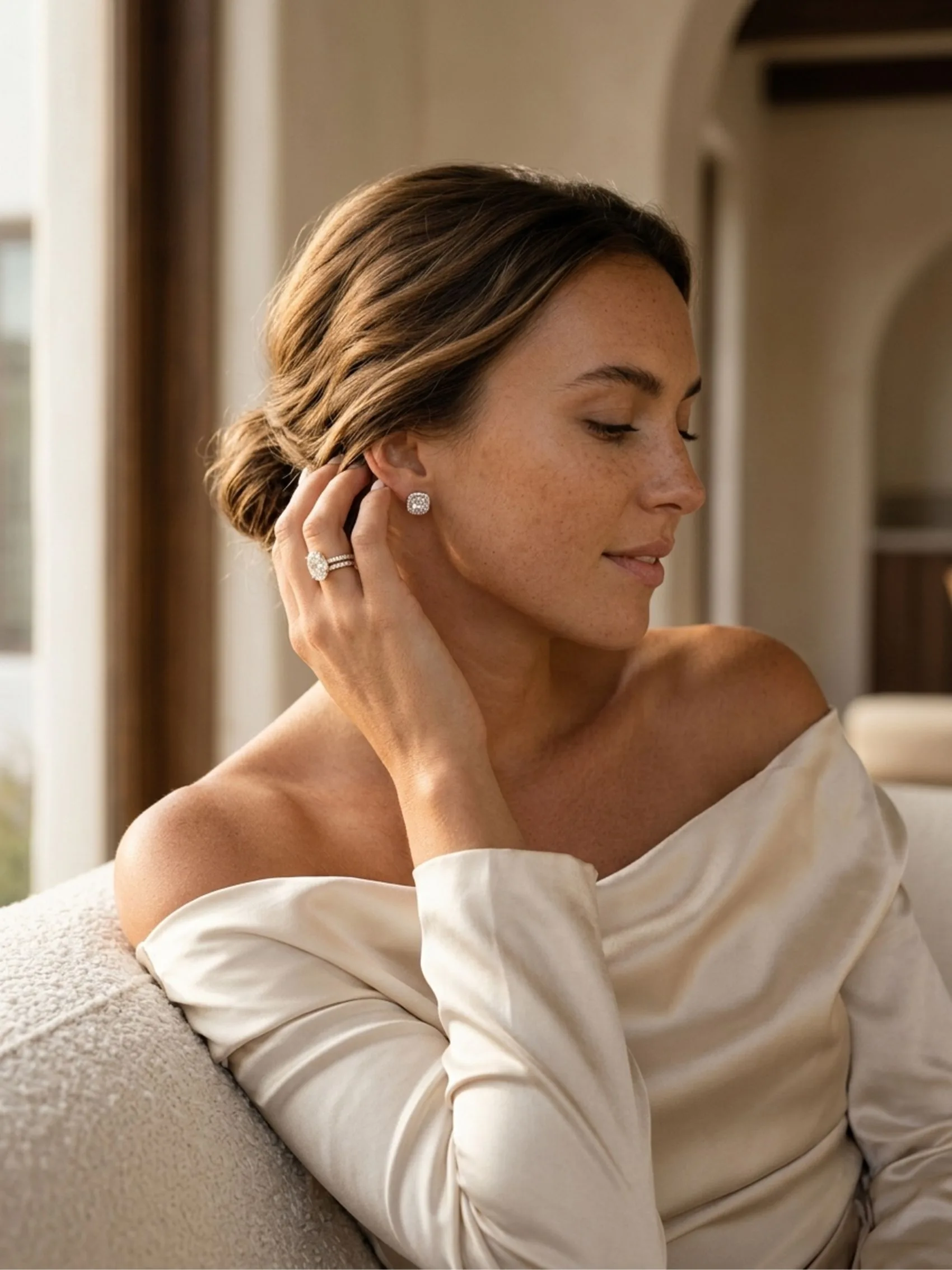
Stage 2 — Style composition. You pick a style or let Hylo recommend one. Studio white, marble surface, velvet darkroom, natural daylight, moody editorial, flat lay, lifestyle on a model. Each style is a curated combination of camera angle, lens compression, lighting setup, and surface texture — the same decisions a senior product photographer would make on set.
Stage 3 — Generation. The model produces 4-12 final shots in 60-120 seconds. Every shot preserves your jewelry's exact geometry and material properties. Your gemstones don't morph between frames. Your prong settings stay structurally correct.
Then you pick the winners, optionally tweak with the AI Retouch tool, and export at 2K or 4K resolution for marketplaces, lookbooks, or print.
Who uses AI jewelry photography
Solo designers use Hylo to bypass the studio entirely. A one-person Etsy seller can ship 30 SKUs in an afternoon instead of negotiating a half-day with a freelance photographer.
DTC jewelry brands use it for brand consistency. The Brand Kit feature locks your colors, lighting, and style guide so every product across 200+ SKUs looks like it came from the same shoot — even when half were generated this morning.
Marketplace sellers (Amazon Handmade, Etsy, Faire, TikTok Shop) use it for compliance. Hylo's marketplace presets auto-generate the exact image requirements for each platform — white background hero, lifestyle context shot, scale reference, alternate angles — without you needing to memorize each platform's specs.
Photographer studios use it for client previews. Show your client 12 styled options in 20 minutes before booking the actual shoot, and use AI for the high-volume catalog work where the budget doesn't justify on-set time.
What you get at every plan
Every plan includes the core AI Photoshoot, AI Retouch, and Brand Kit features. The difference is volume.
- Free trial — 15 credits, no card required. Enough to shoot 3-5 pieces across multiple styles and see the quality firsthand.
- Base — $12 / ₹999 for 250 credits. Right for a small designer launching a season or testing the platform at scale.
- Core — $59 / ₹4,999 for 1,200 + 150 bonus credits. The most common plan for DTC brands shooting their full SKU catalog quarterly.
- Pro — $119 / ₹9,999 for 2,500 + 300 bonus credits. For high-volume brands and agencies producing across multiple clients or large seasonal drops.
Credits never expire. A 2K shot costs 7 credits, 4K costs 10, video runs 40-60 credits per clip.
Getting started in under 10 minutes
- Sign up at Hylo (15 free credits, no card)
- Upload one product photo — phone is fine, just well-lit on a plain background
- Pick a style (or let Hylo's AI Customizer recommend one based on your brand)
- Generate — 4 variations in 60-90 seconds
- Tap any output to refine with AI Retouch (background swap, lighting adjustment, blemish removal)
- Export at 2K for marketplaces or 4K for print and hero banners
The first shot is the hardest. After that you'll find yourself shooting full collections in a single session, with output quality your customers can't tell apart from a professional studio. The shift isn't subtle — it's the difference between a 4-week production cycle and a 30-minute one.